
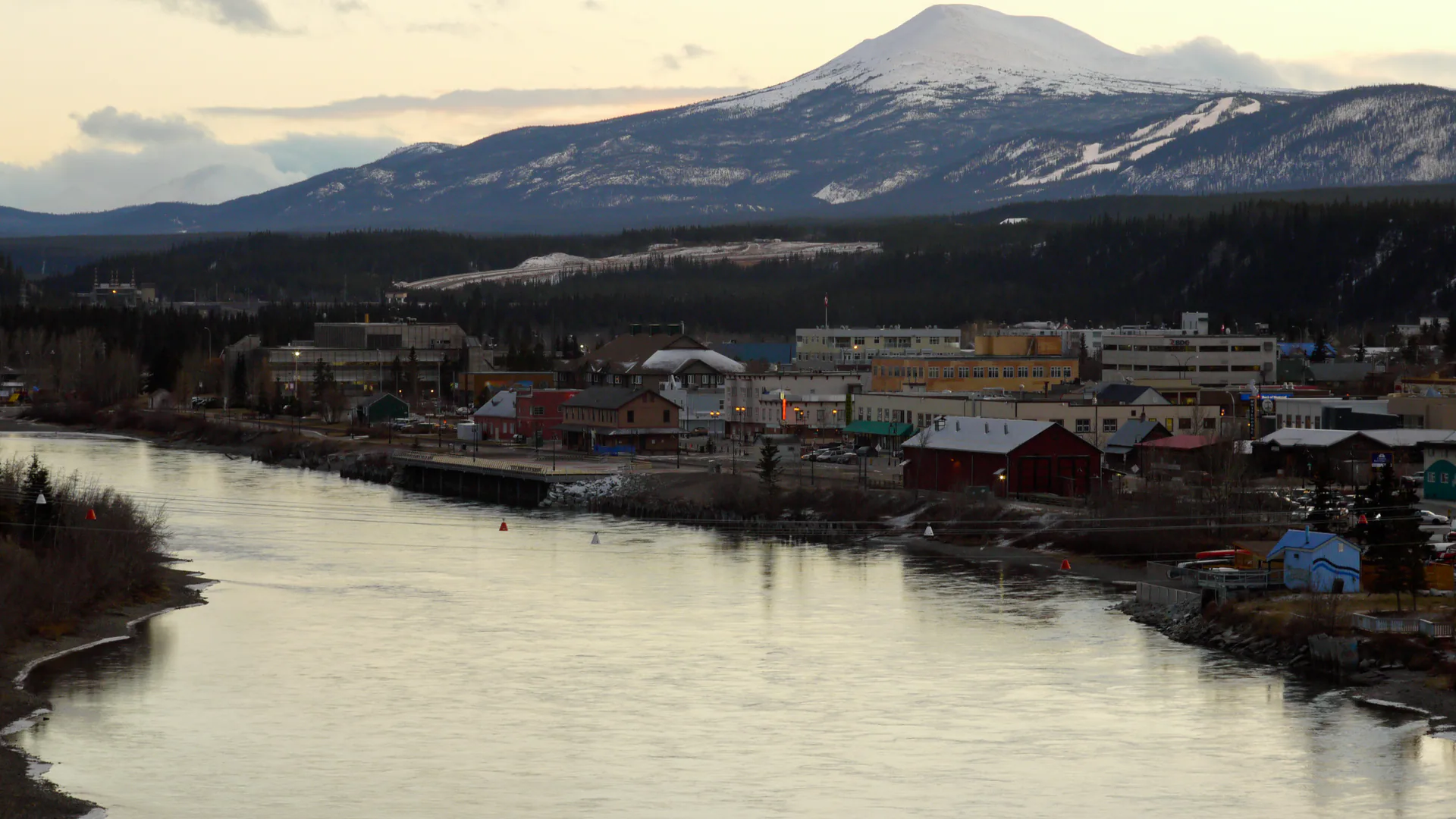
Whitehorse makes a useful promise to independent travelers: you can build a full day without pretending that “city” and “nature” are separate trips. The Yukon River runs beside downtown, and a change in direction can move you from a paved riverfront path to local food, public art, forest, or a wider trail corridor.
Begin with the river, not a checklist
Start by orienting yourself along the riverfront. Notice the direction of the current, the opposite bank, and how streets meet the water. This gives the rest of the day a simple map. A walk can be short or extended; the important part is understanding that the river is a working geographic line rather than a scenic afterthought.
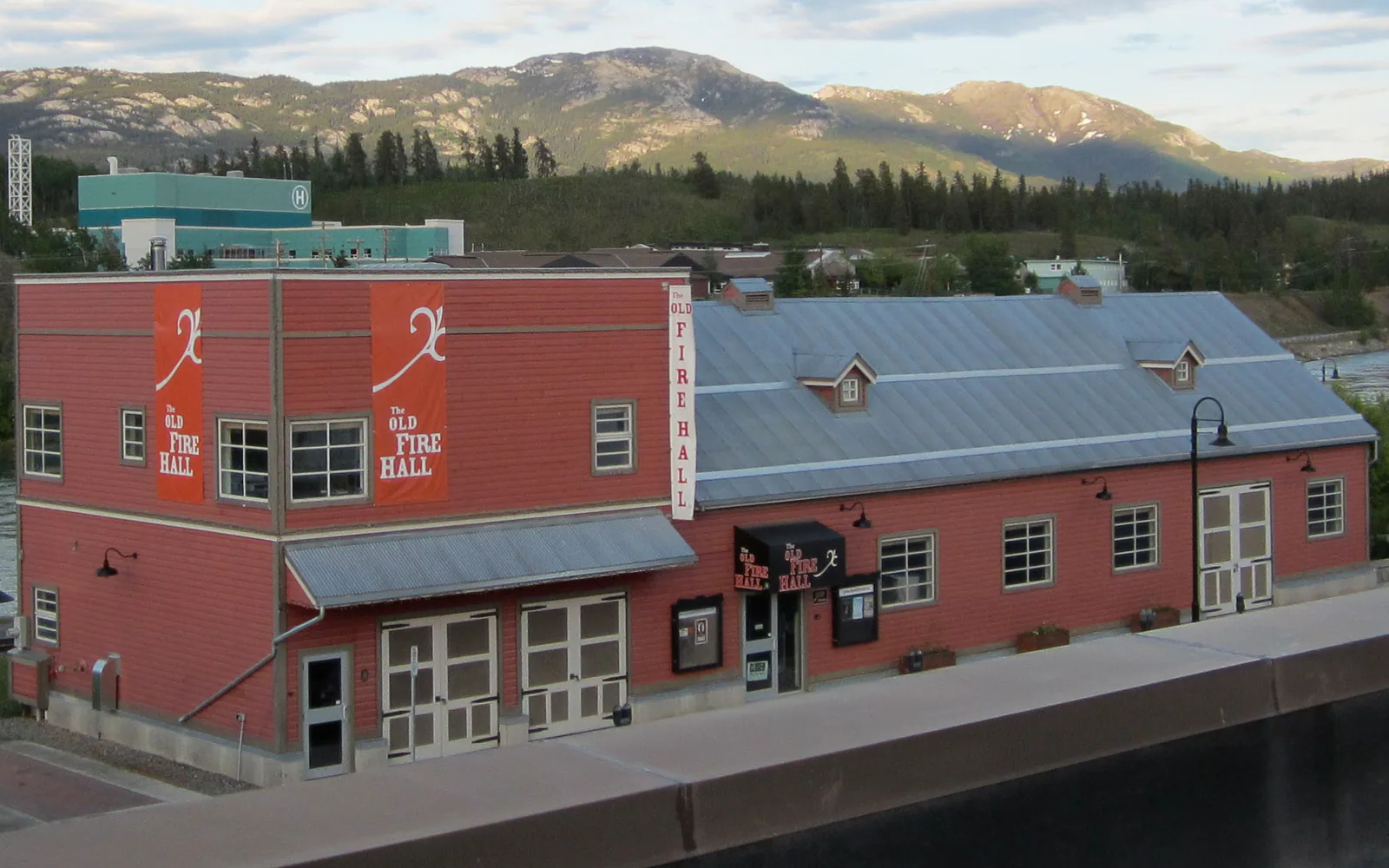
Move through a lived-in downtown
Turn inland for a stretch of Main Street and nearby blocks. Give yourself time for a gallery, bookstore, public art, or café rather than treating downtown as a corridor between attractions. Hours and programming change, so confirm a specific stop directly before building the day around it.
A better planning question
Instead of asking “What are the top ten things?”, ask which three textures you want in one day: river, contemporary city, history, culture, food, forest, or trail. Proximity is Whitehorse’s advantage.
Choose an afternoon branch
- Stay urban: continue with museums, arts spaces, a longer riverfront loop, and an early meal.
- Shift toward trail: choose a route appropriate to the season, daylight, surface, and your preparation.
- Join a guide: use Tours to understand which configured experiences match your pace; live prices and availability appear only when a provider returns them.
Carry a small practical layer
- Bring a layer even when the city feels warm.
- Check current trail, weather, smoke, and river information with the responsible source.
- Tell someone where you are going if you leave the central network.
- Keep distance from wildlife and follow posted guidance.
Finish with low light
In summer, a late evening can still feel like afternoon; in winter, blue hour arrives early and changes the same riverfront into a study of snow, dark water, and warm windows. Let the season set the final pace. The best version of this day is not the one with the most stops—it is the one in which the transitions remain visible.