
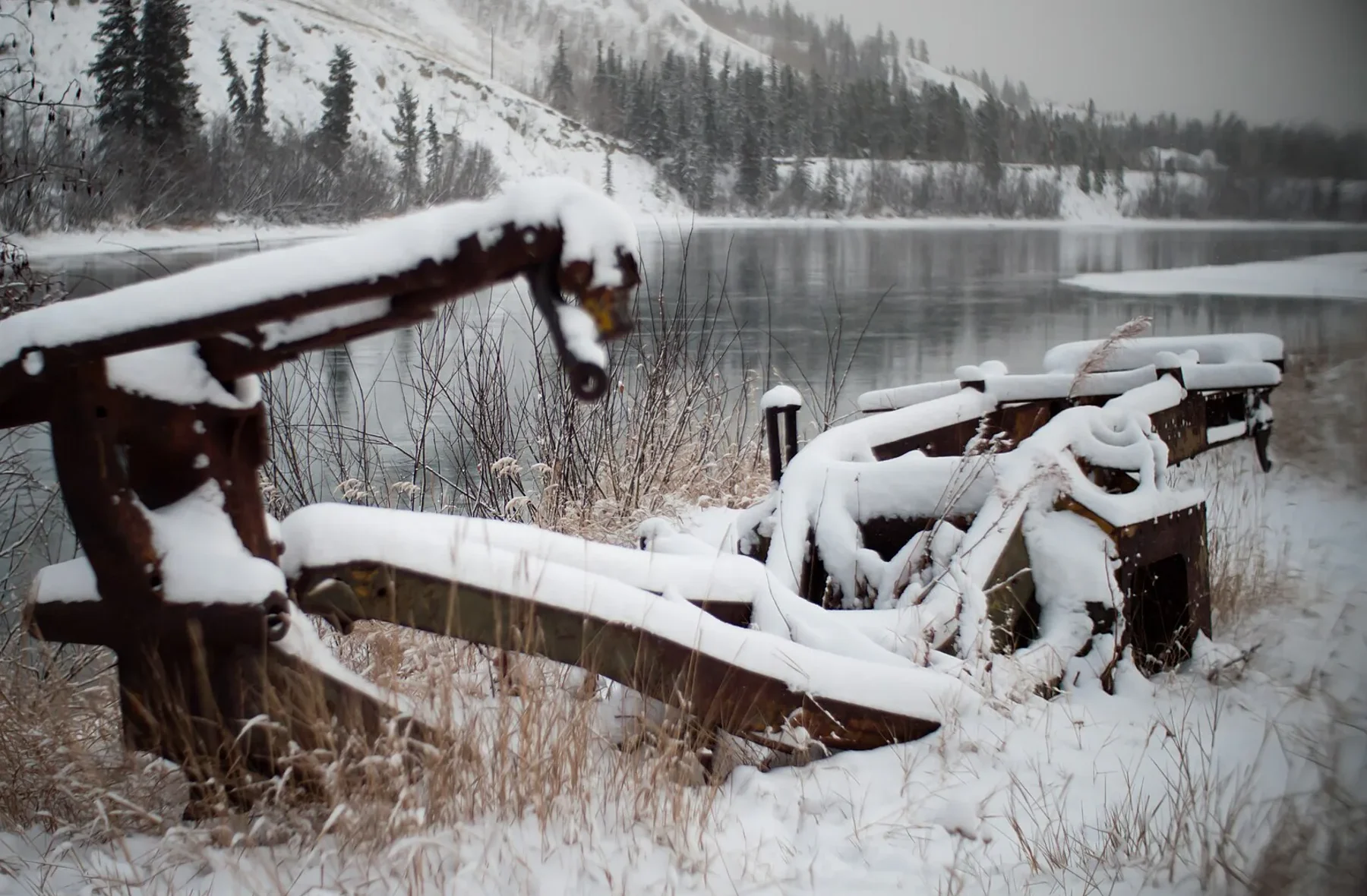
The same compact geography can produce very different trips. Long summer light expands the day; winter concentrates attention into shorter windows, cold-air preparation, and warm interior intervals. Spring and autumn can be beautiful precisely because they refuse a simple postcard.
Summer: use the length without overfilling it
Late light can make it easy to keep adding stops. Build recovery time into the plan, keep meals practical, and remember that business hours do not expand just because daylight does. River walking, a cultural stop, a café, and an evening viewpoint can already make a complete day.
Autumn: read color and surface together
Aspen color and low sun sharpen the contrast between forest, water, and bluff. Temperatures and trail surfaces may shift more quickly than a summer itinerary suggests, so keep alternatives close to the city.
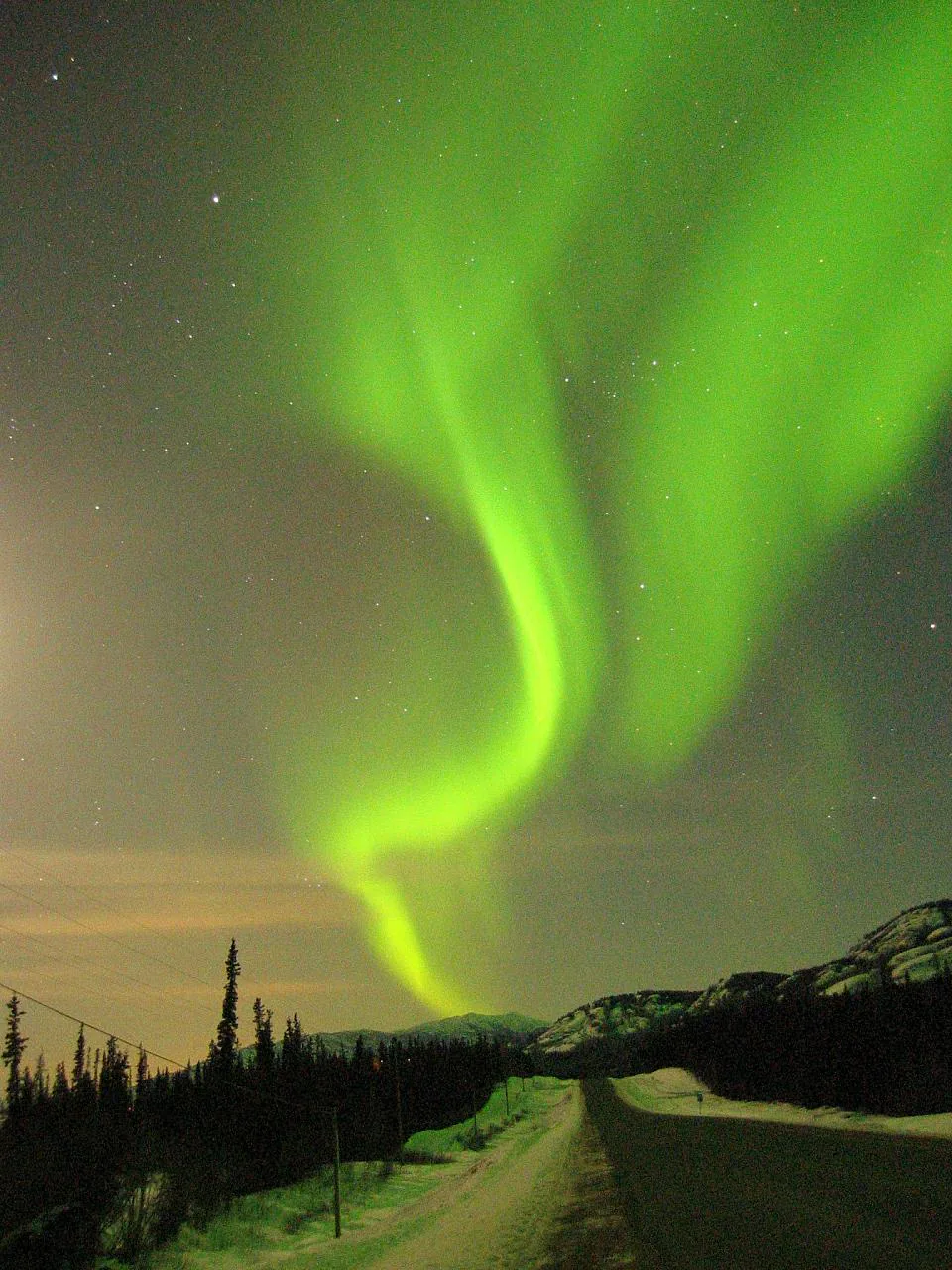
Winter: alternate cold air and warm interior
Winter deserves more than an aurora plan. Snow, the river edge, blue hour, trail activity, arts programming, and warm windows create a lived-in city rhythm. Build around safe transport, clothing, daylight, and the actual conditions of the day.
Spring: keep the itinerary flexible
Freeze-thaw cycles, runoff, lingering snow, and soft trails can make a rigid outdoor plan a poor fit. This is a useful time to pair shorter outdoor intervals with museums, galleries, cafés, and riverfront observation.
Seasonal planning rule
Use current conditions to choose the day, not an old photograph or a fixed expectation. Confirm access, weather, closures, and operator details shortly before you go.
A simple seasonal packing conversation
- What temperature range and precipitation are plausible?
- How much time will be spent outdoors without shelter?
- What happens if the preferred trail, road, or experience is unavailable?
- Which indoor stop makes the day better rather than merely rescuing it?
Explore the Seasons category for more context and use provider information only when it is current and returned by an authorized integration.