

A first Whitehorse trip becomes easier when you start with relationships instead of a list: where you will stay relative to the river and downtown, how you will move, what the season changes, and which wider Yukon days require more distance.
Choose dates by the trip you actually want
Long light, winter conditions, shoulder-season change, and current events can all shape the experience. Avoid choosing a season from a single image. Write down the two or three experiences that matter most, then check whether the season supports them and what alternatives exist.
Choose a base by movement
A central stay can support walking to riverfront and downtown stops. A different location may make sense for a vehicle-based itinerary or a quieter setting. Use the Where to Stay category for planning context. Live hotel cards appear only after Nuitee/TravelSpark is configured; no placeholder rate or availability should influence the decision.
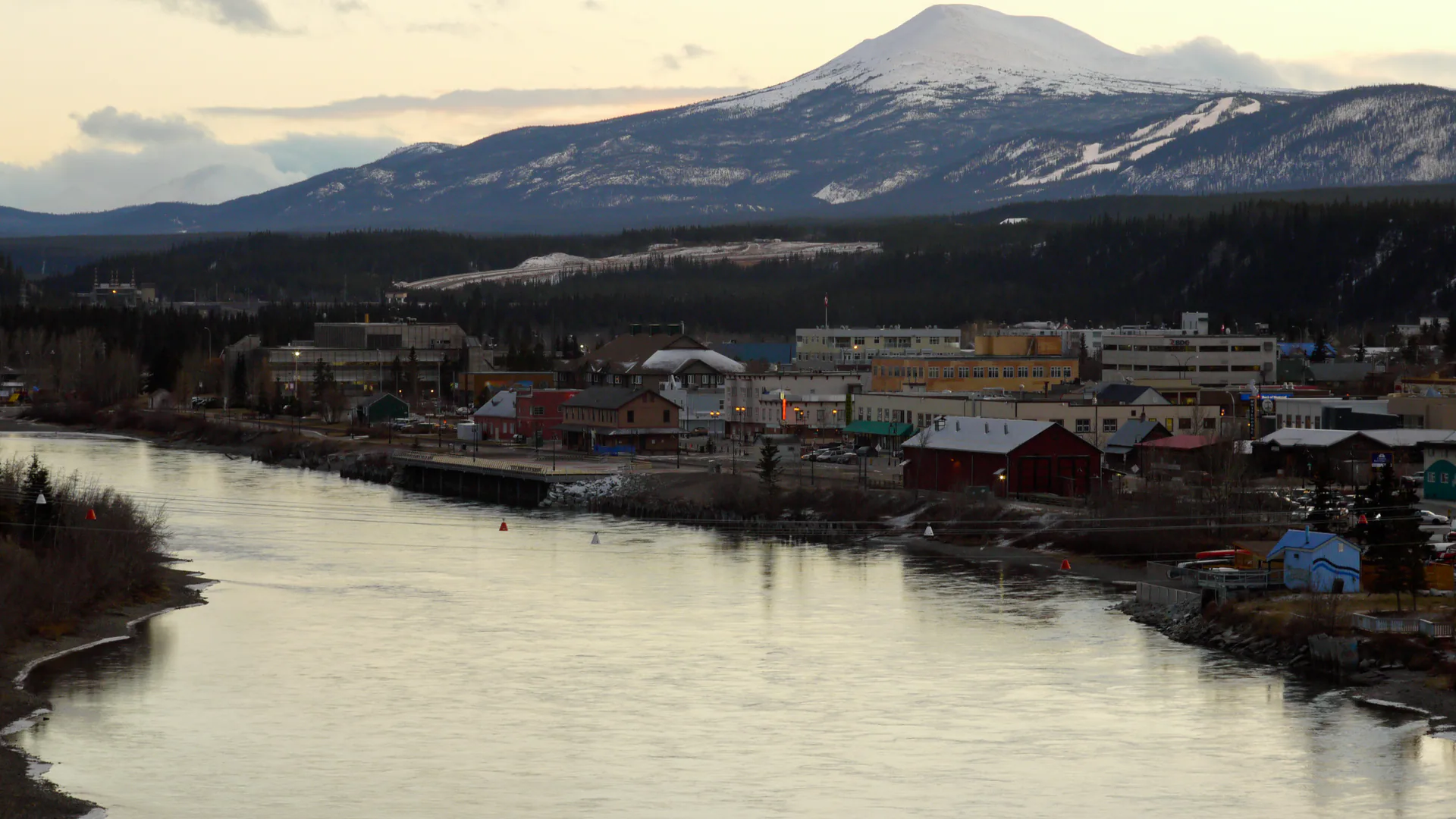
Separate city days from wider-region days
| Day type | Useful focus | Planning risk |
|---|---|---|
| River and downtown | Walking, culture, food, civic history | Assuming every venue is open on the same day |
| Near-city outdoors | Miles Canyon, trail, river, cycling or paddling context | Ignoring conditions, ability, and equipment |
| Wider Yukon | A longer road, guided experience, or another community | Underestimating distance, fuel, weather, or service gaps |
Build a verification list
- Travel documents and current border/entry information from official sources.
- Accommodation confirmation and cancellation terms.
- Transport, road, weather, wildfire, and safety information.
- Current opening details for the few stops that anchor the itinerary.
- Appropriate clothing, insurance, accessibility information, and medication planning.
Keep one open bend
Leave part of the itinerary unassigned. Whitehorse’s compact scale makes it possible to respond to light, weather, a local recommendation, or a program you did not know about when booking.
When provider results are configured, compare them on Tours. Provider ratings, prices, and availability should be treated as current third-party data, not editorial guarantees.